Common Landscaping Myths Debunked: What You Need to Know


Introduction to Landscaping Myths
Landscaping can transform any outdoor space into a beautiful and functional area. However, there are numerous myths surrounding landscaping that can lead to misunderstandings and misguided efforts. It's essential to separate fact from fiction to ensure your landscape thrives.
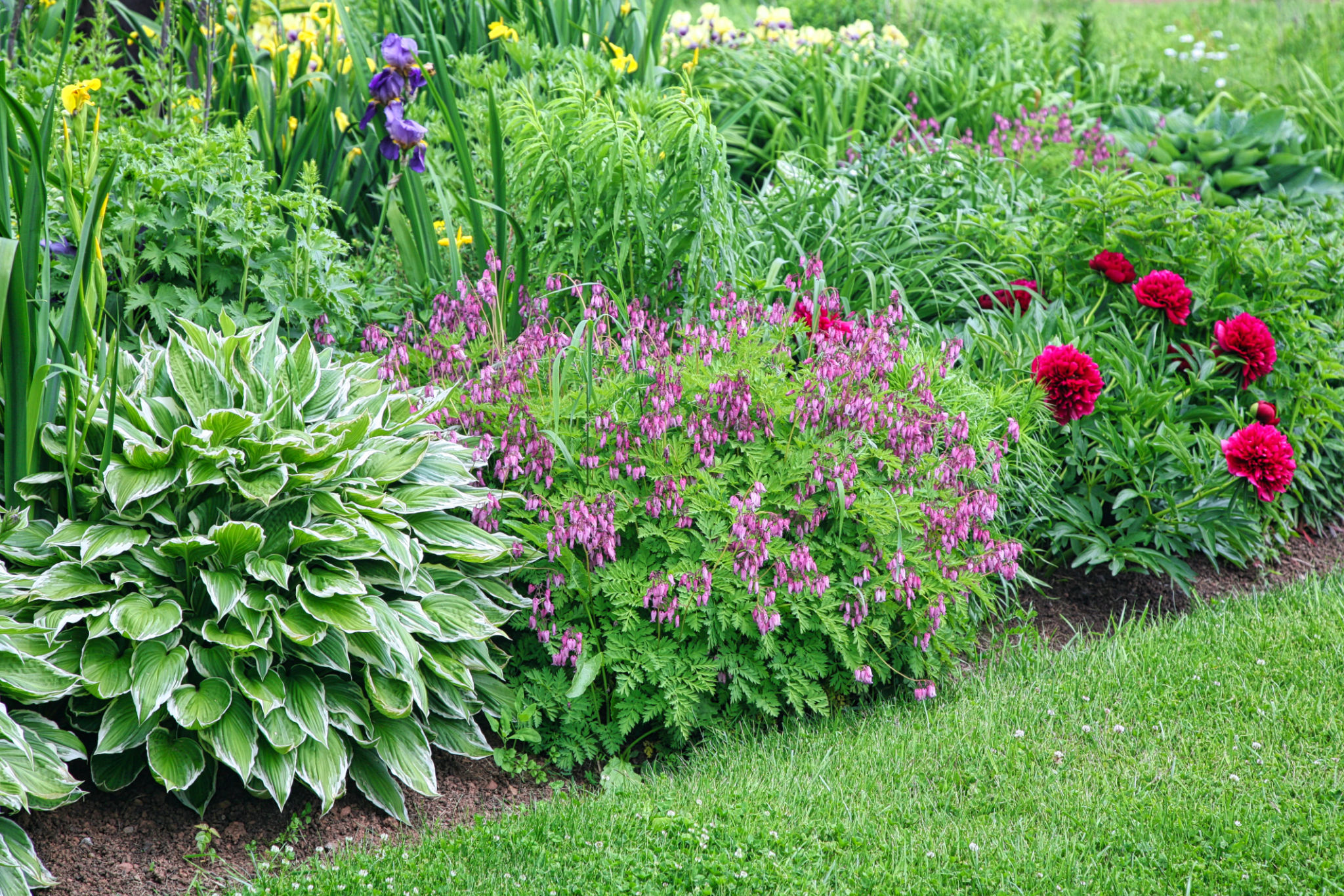
Myth 1: Native Plants Are Maintenance-Free
While native plants are often easier to maintain due to their adaptation to local climates, they are not entirely maintenance-free. They require regular care, including pruning, watering, and pest control, to thrive. Understanding your plants’ specific needs is crucial for maintaining a healthy landscape.
Native plants can be more resilient, but they still need attention, especially in the first few years as they establish their roots. Regular monitoring can help prevent diseases and ensure your landscape looks its best.
Myth 2: More Water Means a Healthier Lawn
Overwatering is a common mistake that can lead to numerous problems, including root rot and fungal diseases. Instead of watering frequently, it’s better to water deeply and less often. This encourages roots to grow deeper, making your lawn more drought-resistant.

It's also crucial to water your lawn at the right time, typically early in the morning or late in the afternoon, to minimize evaporation and ensure the water reaches the roots.
Myth 3: All Mulches Are the Same
Mulch is an excellent tool for retaining moisture, regulating soil temperature, and suppressing weeds. However, not all mulches are created equal. Organic mulches, like bark and wood chips, decompose over time, adding nutrients to the soil. In contrast, inorganic mulches, like gravel and stones, do not decompose.
The choice of mulch depends on your landscaping goals. For a nutrient-rich soil, opt for organic mulch. For low-maintenance areas, inorganic mulch might be a better fit.

Myth 4: Landscaping is Only for Aesthetics
While aesthetics are a significant benefit of landscaping, they are not its only advantage. A well-designed landscape can enhance property value, provide environmental benefits, and create a functional outdoor space for activities and relaxation.
Landscaping can also improve air quality, reduce noise pollution, and support local wildlife. By planning your landscape with these factors in mind, you can create a sustainable and enjoyable environment.
Conclusion: Making Informed Landscaping Choices
By debunking these common myths, you can make better-informed decisions about your landscaping efforts. Remember that knowledge and attention to detail are key to creating a thriving outdoor space. Whether you’re a seasoned gardener or a beginner, understanding these truths will help you cultivate a landscape that’s both beautiful and sustainable.